
Craft
The Art of Indian Craftsmanship
1. Handwoven Cotton – The Legacy of Khadi
Hand-spun and handwoven cotton, widely known as Khadi in India, represents a beautiful union of tradition, sustainability and self-reliance. Unlike machine-produced fabrics, Khadi is characterised by its naturally textured yarn, created through the skill and patience of artisans. Its distinctive weave allows air to circulate freely, making it exceptionally breathable, absorbent and quick-drying – qualities that make it particularly suited to India's warm and humid climate. Its natural insulating properties also offer comfort during mild winters.
Khadi holds a special place in India's history and freedom movement. Mahatma Gandhi championed the fabric as a symbol of self-reliance, encouraging rural communities to embrace indigenous spinning and weaving as an expression of economic independence. It became a powerful statement against British-manufactured textiles and an enduring emblem of India's struggle for freedom.
Fondly regarded as the Fabric of Freedom, Khadi continues to be cherished beyond clothing, finding its place in everyday essentials such as towels, shawls and home textiles. Every piece celebrates the individuality of hand-spun yarn, where subtle variations in texture and weave reflect the human touch behind its creation.
More than just a fabric, Khadi sustains traditional livelihoods, empowers rural artisans and keeps India's rich textile heritage alive.
2. Chikankari – The Elegance of Hand Embroidery
Chikankari is one of India's most celebrated forms of hand embroidery, renowned for its delicate detailing, understated elegance and intricate craftsmanship. With a history traditionally traced back over 2,000 years, this exquisite art form flourished in Lucknow, the historic city of Nawabs in Uttar Pradesh, under Mughal influence.
Once reserved for royal attire, Chikankari adorned the garments of kings and nobles with delicate white-on-white embroidery, created using fine threads on lightweight fabrics. Over generations, the craft evolved to embrace a wider palette of colours and fabrics, adapting beautifully to contemporary fashion while retaining its traditional character.
What makes Chikankari truly distinctive is the precision and artistry of its hand-embroidered stitches. Traditionally worked with cotton threads, the craft incorporates more than 40 different stitch variations, including delicate French knots, criss-cross patterns and intricate raised details. Unlike the uniform finish of machine embroidery, handmade Chikankari carries subtle irregularities that reveal the individuality and skill of the artisan.
Traditionally crafted on natural fabrics such as cotton, mulmul and silk, Chikankari lends garments a graceful, airy and timeless appeal. Its delicate workmanship creates an aesthetic that is simultaneously understated and sophisticated – a testament to the enduring beauty of Indian hand embroidery.
3. Jamdani – The Poetry of Handloom Weaving
Jamdani is an exquisite handloom weaving tradition celebrated for its sheer texture, intricate motifs and remarkable artistic precision. Historically associated with the muslin-weaving communities of Dhaka, this centuries-old craft is among the finest expressions of the Indian subcontinent's textile heritage.
Recognised by UNESCO as an Intangible Cultural Heritage of Humanity in 2013, Jamdani is distinguished by its elaborate patterns, harmonious colour combinations and exceptionally fine craftsmanship. Its delicate motifs appear almost embroidered on the fabric, creating an enchanting interplay of transparency, texture and design.
The beauty of Jamdani lies in its painstaking weaving technique. Artisans skilfully introduce additional threads into the warp and weft using traditional handloom methods, creating intricate motifs directly within the fabric rather than printing or embroidering them afterwards. Each design requires extraordinary concentration, patience and precision, making the process both time-intensive and labour-intensive.
Traditionally woven in cotton muslin, Jamdani is prized for its lightweight, breathable quality and elegant drape. The craft is also a collective expression of community and cultural identity, with generations of men and women contributing to its preservation and practice.
Every Jamdani creation reflects a remarkable balance of technical mastery and artistic imagination – a timeless textile tradition that continues to celebrate the ingenuity of handloom artisans.
4. Kantha – Stories Woven Through Stitches
Kantha is one of India's oldest and most cherished forms of traditional quilting and embroidery, deeply rooted in the everyday lives and creativity of rural women. Originating in Bengal and practised across various parts of India and Bangladesh, this art form transforms layers of old saris and discarded fabrics into beautiful, functional textiles through the simple yet expressive running stitch.
Traditionally, multiple layers of fabric were brought together and stitched by hand to create quilts, bedspreads and coverings. What began as a practice of resourcefulness and reuse gradually evolved into an elaborate decorative art, celebrated for its intricate patterns and storytelling.
Kantha embroidery is distinguished by its running stitches, which are used to outline and fill motifs in single or multiple colours. Designs often draw inspiration from the natural world – flowers, birds, animals, the sun and the tree of life – while some compositions depict everyday experiences, family memories and cultural narratives.
Today, this versatile craft finds expression in contemporary clothing and accessories, including jackets, skirts and bags. Each handmade piece carries its own character, with variations in colour, pattern, size and stitching that make every creation unique. The occasional patches and irregularities are not imperfections but an integral part of its authentic, handcrafted charm.
Often created by women artisans, Kantha represents much more than embroidery. It celebrates resourcefulness, sustainable practices, creative expression and economic empowerment, allowing generations of women to preserve their heritage while supporting their families through their craft.
5. Block Printing – The Beauty of Handcrafted Impressions
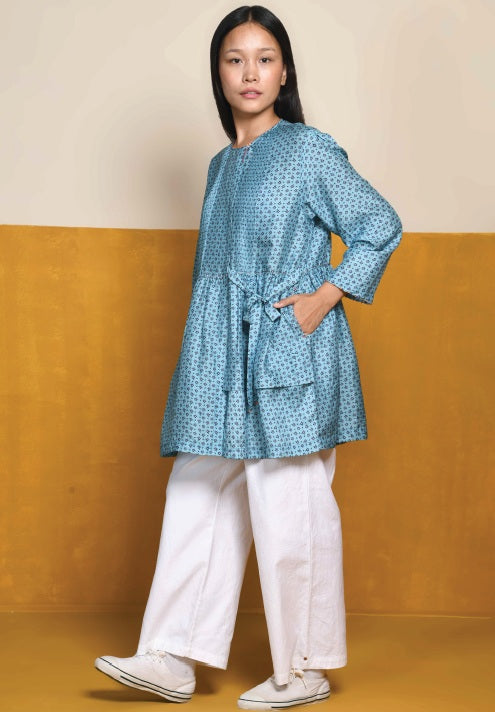
Block printing is a timeless textile art that celebrates the harmony of design, craftsmanship and the human touch. Rooted in India's rich printing traditions, this technique transforms simple fabrics into expressive works of art through the careful hands of skilled artisans.
The process begins with wooden blocks that are meticulously hand-carved by experienced craftsmen. Each block carries an intricate design, carefully chiselled into the wood to create a pattern that can be transferred onto fabric. Once prepared, the blocks are dipped into natural or prepared dyes and pressed firmly onto the fabric, one impression at a time.
The process demands remarkable precision, patience and a trained eye. Every placement, alignment and repetition requires careful attention to maintain the continuity of the pattern. Unlike machine-printed textiles, hand block printing carries subtle variations in colour, alignment and impression, giving each piece its own distinctive character.
The charm of this craft lies in its handcrafted individuality. From traditional motifs to contemporary interpretations, block printing continues to evolve while preserving the techniques and knowledge passed down through generations.
Every printed textile is a tribute to the dedication of artisans who keep this heritage alive, transforming age-old wooden blocks and skilled workmanship into creations that bring tradition beautifully into modern living.